Blog
Understanding Gas Stove Safety Basics
How Gas Stoves Work
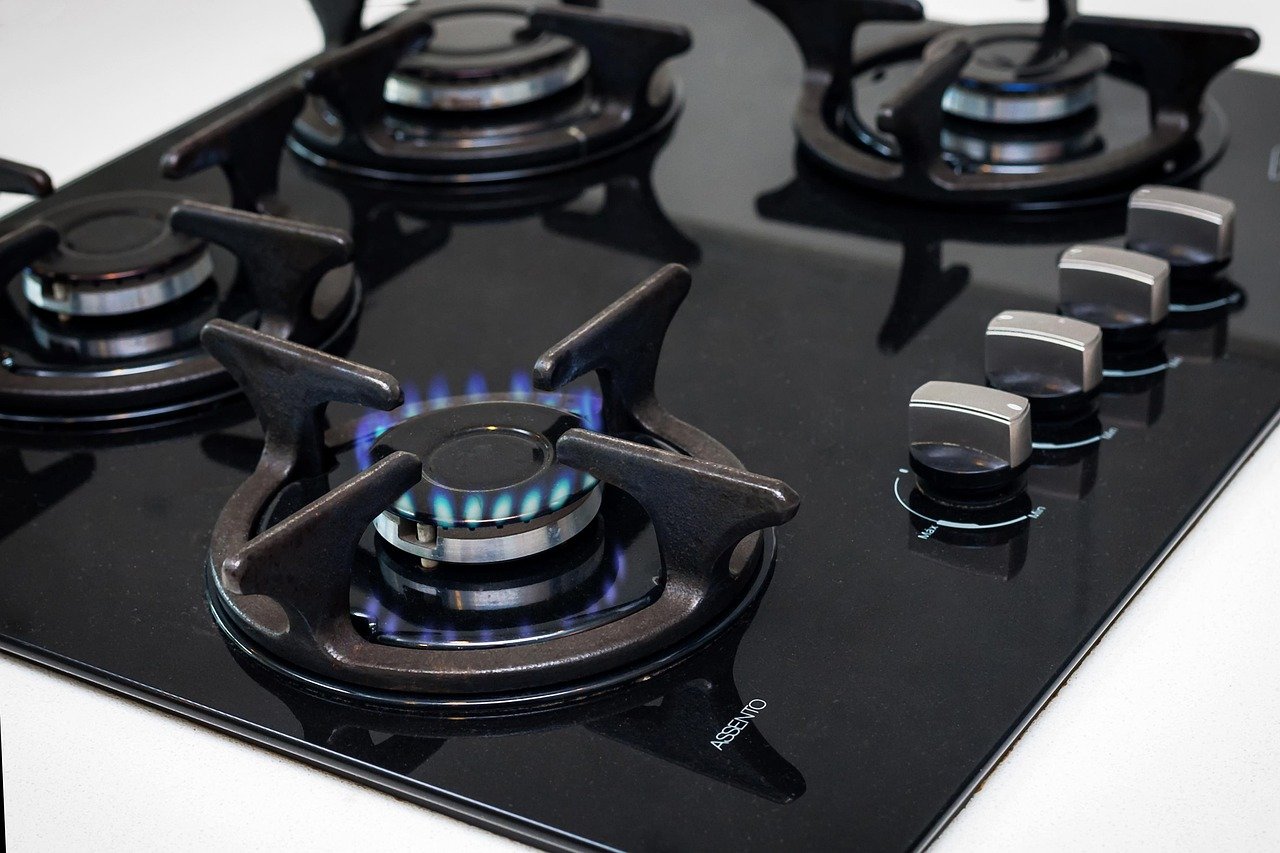
Your gas stove uses natural gas or propane to create a flame. When you turn a knob, gas flows to the burner and mixes with air. The igniter (or pilot on older stoves) lights the gas and forms a controlled flame.
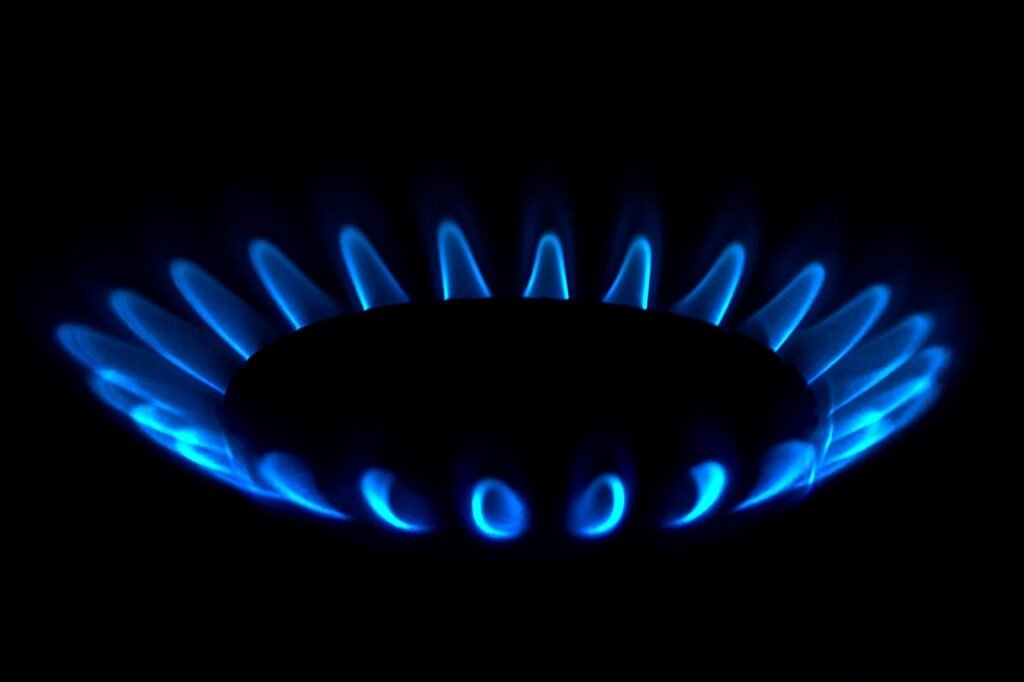
A steady blue flame usually means better combustion. Yellow/orange flames can signal poor airflow or dirty burners.
EPA combustion sources info: https://www.epa.gov/indoor-air-quality-iaq/sources-combustion-products
Ventilation matters because burning gas produces heat and combustion byproducts. A working range hood that vents outside (best) or open windows helps remove pollutants.
EPA “Care for Your Air”: https://www.epa.gov/indoor-air-quality-iaq/care-your-air-guide-indoor-air-quality
Common Hazards and Risks
Gas stoves can cause harm when fuel, flame, or heat escapes control. Key hazards include:
- Gas leaks (loose fittings or damaged lines)
- Carbon monoxide (CO) buildup from poor combustion (odorless and dangerous)
- Fires (grease, paper, cloth, packaging)
- Burns (hot grates and cookware)
CO is dangerous because you cannot smell it. Learn basics and prevention:
- CDC CO info: https://www.cdc.gov/carbon-monoxide/about/index.html
- CPSC CO fact sheet: https://www.cpsc.gov/safety-education/safety-guides/carbon-monoxide/carbon-monoxide-fact-sheet
- EPA CO protection: https://www.epa.gov/indoor-air-quality-iaq/protect-your-family-and-yourself-carbon-monoxide-poisoning
Recognizing Gas Leaks
You may detect a leak by:
- Rotten egg / sulfur smell (odor added for safety)
- Hissing/whistling near connections
- Weak or uneven flames
- Feeling dizzy or nauseous indoors
AGA “Smell Gas? Act Fast!” steps: https://www.aga.org/natural-gas/safety/using-natural-gas-safely/
If you suspect a leak:
- Do NOT flip switches, light matches, or create sparks.
- Open windows/doors if safe.
- Leave the home and call your gas provider from outside.
Proper Installation and Setup
Professional Installation Importance
Use a licensed professional to install or replace a gas stove. They verify gas pressure, seal connections, test for leaks, and confirm safe ignition. This reduces risk of leaks, fire, and CO exposure.
Ventilation Requirements
You need ventilation to move heat, smoke, and gases out of your kitchen. A hood that vents outdoors is best.
Helpful references:
- EPA indoor air guide: https://www.epa.gov/indoor-air-quality-iaq/care-your-air-guide-indoor-air-quality
- EPA combustion sources: https://www.epa.gov/indoor-air-quality-iaq/sources-combustion-products
Positioning Your Gas Stove
Follow the manufacturer’s clearance distances. Keep the area above and around burners clear of flammables. Keep the gas shut-off valve reachable.
Safe Everyday Operation
Turning the Gas Stove On and Off Safely
- Turn the knob slowly until the burner lights.
- Confirm a steady flame (preferably blue).
- If it doesn’t light within a few seconds, turn it off and wait at least 1 minute before trying again.
- When done, turn knobs fully off and confirm the flame is out before leaving the kitchen.
- If you smell gas, do not light the stove; ventilate and leave.
AGA guidance: https://www.aga.org/natural-gas/safety/using-natural-gas-safely/
Never Leaving Cooking Unattended
Most stove fires begin when food overheats or grease ignites. Stay in the kitchen while burners are on—especially when frying or cooking with oil.
USFA/FEMA cooking safety: https://www.usfa.fema.gov/prevention/home-fires/prevent-fires/cooking/
Using the Right Cookware
- Use pans that match burner size (flames should not wrap up the sides).
- Use flat-bottom cookware so it sits stable.
- Avoid warped or damaged pans.
- Keep cookware clean to reduce flare-ups.
Preventing Fires and Burns
Managing Flammable Materials
Keep flammables away from burners (towels, paper, packaging, aerosols). Unattended cooking is a leading factor in home cooking fires.
NFPA research (PDF): https://content.nfpa.org/-/media/Project/Storefront/Catalog/Files/Research/NFPA-Research/US-Fire-Problem/Fire-causes/oscooking.pdf
Handling Hot Surfaces
Burners, grates, and nearby surfaces stay hot after use.
- Use dry oven mitts.
- Don’t reach over active flames.
- Turn pot handles inward to prevent spills.
What to Do If a Grease Fire Starts
- Turn off the burner.
- Cover the pan with a lid/baking sheet to smother flames.
- Do NOT pour water on a grease fire.
USFA/FEMA guidance: https://www.usfa.fema.gov/prevention/home-fires/prevent-fires/cooking/
Child and Pet Safety
Create a 3-foot “no-go zone” around the stove. Use back burners when possible. Consider knob covers if young children are present. Keep pets out while cooking.
Detecting and Responding to Gas Leaks
Warning Signs
- Strong gas odor
- Hissing near gas line or stove
- Burners lighting late or uneven flame
- Dizziness, nausea, headaches indoors
Immediate Actions
- Avoid sparks (no switches, lighters, matches).
- Ventilate quickly if safe.
- Shut off gas only if you can do it safely.
- Leave the home and call for help from outside.
AGA “Smell Gas? Act Fast!”: https://www.aga.org/natural-gas/safety/using-natural-gas-safely/
When to Contact Emergency Services
Call emergency services if:
- The gas smell is strong or increasing,
- You hear loud hissing,
- Anyone has breathing issues, confusion, or collapses,
- There’s fire/sparks.
Routine Maintenance and Cleaning
Cleaning Burner Heads and Grates
- Turn off stove and let it cool.
- Remove grates/burner caps; wash with warm water and mild soap.
- Clear ports with a soft brush; dry completely before reassembling.
Checking for Wear and Tear
Do not ignore:
- Yellow flames that persist
- Clicking that won’t stop
- Delayed ignition
- Loose grates or damaged burner caps
- Any gas smell
If you suspect a leak, follow: https://www.aga.org/natural-gas/safety/using-natural-gas-safely/
Scheduling Professional Inspections
A yearly inspection is a good baseline for many homes, especially older stoves or heavy daily use. A technician can check ignition, gas pressure, burner performance, seals, and hidden leaks.
Long-Term Safety Practices
- Ventilate every time you cook.
EPA indoor air guide: https://www.epa.gov/indoor-air-quality-iaq/care-your-air-guide-indoor-air-quality - Install CO alarms and keep them working:
- Never use a gas stove/oven to heat your home (major CO risk).
CPSC CO fact sheet: https://www.cpsc.gov/safety-education/safety-guides/carbon-monoxide/carbon-monoxide-fact-sheet
Troubleshooting Common Issues
Problem: Burner clicks but won’t light
- Likely cause: Wet/dirty igniter or misaligned cap
- Safe action: Turn off, cool, clean/dry parts, reseat cap
Problem: Weak or uneven flame
- Likely cause: Clogged burner ports
- Safe action: Turn off, cool, clean with soft brush
Problem: Yellow flame
- Likely cause: Airflow/combustion issue
- Safe action: Clean burners, improve ventilation; if it persists, call a professional
EPA combustion sources: https://www.epa.gov/indoor-air-quality-iaq/sources-combustion-products
Problem: Gas smell
- Likely cause: Possible leak
- Safe action: Leave, avoid sparks, call from outside
AGA steps: https://www.aga.org/natural-gas/safety/using-natural-gas-safely/
If fixes do not work, stop using the stove and schedule professional service.
Environmental Considerations and Efficiency
Gas cooking can affect indoor air quality if ventilation is poor. Improve airflow and use an outdoor-vented hood when possible.
Evidence overview:
- GAO gas stove safety overview: https://www.gao.gov/products/gao-25-107514
- EPA combustion sources: https://www.epa.gov/indoor-air-quality-iaq/sources-combustion-products
Efficiency tips:
- Match pan size to burner
- Keep flames under the pan
- Turn off early and use retained heat
- Keep burners clean
Frequently Asked Questions
What precautions should be taken while using a gas stove?
Use ventilation, keep flammables away, and stay nearby while cooking.
USFA cooking safety: https://www.usfa.fema.gov/prevention/home-fires/prevent-fires/cooking/
How to ensure your gas stove is properly turned off?
Turn each knob fully to OFF and confirm the flame is out. Make a final “stove check” habit before leaving the kitchen.
What are the best safety devices for a gas stove?
CO alarms near sleeping areas and on each level of the home help protect you.
IAFC CO prevention: https://www.iafc.org/topics-and-tools/resources/resource/carbon-monoxide-%28co%29-poisoning-prevention
CDC CO basics: https://www.cdc.gov/carbon-monoxide/about/index.html
How to prevent gas leaks and explosions?
Inspect connections and replace damaged parts. Never check leaks with an open flame. Follow:
AGA steps: https://www.aga.org/natural-gas/safety/using-natural-gas-safely/
What safety rules should be followed in the kitchen when using a gas stove?
Keep children/pets away, use back burners, turn handles inward, and clean grease buildup regularly.
USFA tips: https://www.usfa.fema.gov/prevention/home-fires/prevent-fires/cooking/
How to safely ignite a gas stove for first-time users?
Turn the knob slowly and confirm flame appears quickly. If it doesn’t, turn OFF and wait a minute before retrying. Use ventilation.
EPA combustion sources: https://www.epa.gov/indoor-air-quality-iaq/sources-combustion-products