
Blog
Best Gas Stoves 2025 USA: Premium Models for Professional-Grade Home Cooking

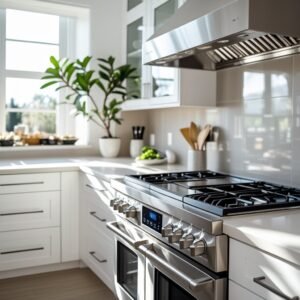
Gas stoves are still a go-to for home cooks who want quick temperature changes and solid control. The best gas stoves in 2025 bring together powerful burners, reliable ovens, and smart safety features, with prices stretching from under $1,000 to well over $5,000 for the pro-level stuff.
Whether you need a basic 30-inch range or a high-end double oven, there’s something out there for nearly every kitchen and wallet. Modern gas ranges now come with things like convection ovens, sealed burners, and smart tech that connects to your phone.
Top-rated models for 2025 give you steady cooking results, and newer safety features help keep accidents at bay. Installation usually adds $100 to $500, depending on whether you need new gas lines or just a swap-out.
If you want the right gas stove, you’ll want to look at BTU ratings, oven size, and which brands stand by their warranties. Expert testing can really help you spot those models that just keep going, year after year, if you treat them well.
https://www.tomsguide.com/best-picks/best-gas-ranges
Key Takeaways
- Gas stoves give you instant heat control, with burners ranging from 1,000 to 18,000 BTUs for all sorts of cooking
- Solid gas ranges come at all price points, from budget-friendly around $1,000 to pro models topping $5,000
- Today’s gas stoves pack in safety, smart tech, and energy efficiency to help cut down on running costs
Top-Rated Gas Stoves in the USA for 2025
The GE JGB735 leads the pack for affordable options, offering convection cooking and strong burners. Premium models from brands like LG add smart features and pro-grade power.
Installation runs about $100 to $300 if it’s a basic job, but if you need new gas lines, costs can jump over $1,000.
Editor's Picks for Best Performance
The GE JGB735 stands out with a convection oven and a cooktop that’s really easy to use. It gives you even heat and precise control across all burners.
Key Performance Features:
- Five sealed burners, each with different BTU levels
- True convection for more even baking
- Self-cleaning oven
- Heavy-duty grates that keep pots steady
The LG Smart ProBake Convection InstaView Slide-In Range is quick to ignite and connects to your phone. You can check on your food remotely and get alerts when it’s done.
https://www.lg.com/us/cooking-appliances/lg-lsgl6335f-slide-in-gas-range-with-air-fryer
Knock twice on the InstaView window and it lights up, so you can peek at your dish without opening the door and letting heat escape. Samsung models also show up on expert lists for their cool features and reliable cooking. They often include air fry modes and dual ovens for multitasking.
Best Value Gas Stoves of 2025
If you’re watching your budget, there are great gas ranges around $1,000 that still cover the basics. These stoves offer solid performance without the big price tag.
The GE JGB735 gives a lot for the money, including convection cooking. You’ll get features you’d expect to pay more for, so it’s a smart pick for bargain hunters.
Value Features to Expect:
- Standard five-burner setup
- Self-cleaning oven
- Continuous grates for moving pans easily
- Storage drawer
Most value models use 30-inch widths, making them easy to fit into existing kitchens. They handle everyday cooking without a fuss.
For installation, plan on $100 to $300 if you’re just swapping out an old range. If you need new gas lines or more work, it can run $500 to $1,200, depending on how far you are from the main line and local rates.
Premium Choices for Gourmet Kitchens
Brands like Thor make pro-style ranges for serious home cooks. These premium gas stoves come with high-BTU burners, tough construction, and roomy ovens.
Some high-end models are dual-fuel, pairing a gas cooktop with an electric convection oven. You get precise flame control on top and steady baking below.
Premium Features:
| Feature | Benefit |
|---|---|
| 20,000+ BTU burners | Super-fast boiling and searing |
| Double ovens | Cook more dishes at once, at different temps |
| Brass burners | Last longer and spread heat better |
| Heavy-duty knobs | Feel solid, more like restaurant equipment |
Smart tech lets you preheat the oven remotely and follow along with guided recipes. Some models have built-in temperature probes that can adjust cooking times automatically.
Installing a pro-style range usually means upgrading gas lines to handle the extra power. Expect to pay $800 to $2,000, especially if you need permits, special connectors, or better ventilation.
Key Features to Consider When Choosing a Gas Stove
What matters most? Burner power and layout, oven size and modes, and controls you don’t have to fight with. These details shape your daily cooking and long-term happiness with the stove.
Burner Types and Configurations
Most gas stoves have four to six burners, each with different heat levels. Standard burners run from 5,000 to 18,000 BTUs. It’s handy to have at least one high-powered burner (15,000+ BTUs) for boiling and searing, and a low-BTU simmer burner (under 5,000 BTUs) for sauces.
Sealed burners are flush with the cooktop, so cleaning up spills is easier. Open burners spread heat a bit better but take more work to keep clean.
Grates matter, too. Cast iron grates are sturdy for heavy pots, and continuous grates let you slide pans around without lifting. Some stoves have brass burners that fight off rust better than aluminum.
If you want convenience, look for auto-ignition so you can ditch the matches. Best gas stove features usually include this.
Oven Capacity and Functions
Standard ovens hold between 4.8 and 6.0 cubic feet. If you cook for a crowd, go for at least 5.5 cubic feet. Some ranges have double ovens so you can bake and roast at once.
Convection ovens use a fan to move hot air for more even, faster cooking. The GE JGB735 offers convection without the premium price.
Other handy features? Self-cleaning, temperature probes, and timers. A good window and bright oven light make it easy to check your food without opening the door and letting out heat.
Control Panel Design
Front-mounted controls are at eye level and stay cooler while you cook. They’re also safer for homes with kids since you can pop off the knobs.
Top-mounted controls behind the burners save counter space but get hot and can be hard to read. Digital displays give you precise temps and timer info, while manual knobs are simple and work during outages.
Electronic ignition lights burners with a twist, but some budget stoves still use always-on pilot lights.
Gas Stove Installation Costs
Professional installation costs $100 to $300 and covers gas line hookup, leveling, and leak testing. If your house doesn’t already have a gas line, running one adds $250 to $800, depending on how far it needs to go.
https://www.homeadvisor.com/cost/plumbing/install-or-repair-gas-pipes/?utm_source=chatgpt.com
Switching to propane? Conversion kits cost $20 to $50. Most places require permits and inspections, with permit fees running $50 to $150. Plumbers or gas pros usually charge $75 to $150 per hour.
Gas Stove Types and Styles
Gas stoves come in all shapes and sizes to fit different kitchens and tastes. The main differences are how they install, their size, and the finishes you can pick from.
Freestanding vs. Slide-In Models
Freestanding ranges are super common in the U.S. They have finished sides and a back panel with controls, so you can put them anywhere—between cabinets or at the end of a counter. These are usually cheaper and easier to install since you don’t need special cabinets.
Slide-in models sit flush with the counters and have controls on the front, giving a built-in look with no gaps on the sides. They need some cabinet tweaks to fit and cost $200 to $500 more than similar freestanding models.
Drop-in ranges are less common and need a cabinet base for support. The cooktop sits on the counter, oven below. You’ll probably want a pro for installation, with labor costing $100 to $300.
Range Sizes and Installation Requirements
Most gas ranges are 30 inches wide, fitting standard kitchens and offering four to five burners. You’ll need a gas line, an electrical outlet, and good ventilation.
Compact 24-inch models work for small kitchens or apartments. They usually have three to four burners and a smaller oven (2.5 to 3.5 cubic feet).
Pro-style ranges go from 36 to 48 inches wide. The best 48-inch dual fuel ranges have six or seven burners and can reach 18,000 BTUs. These big units can weigh up to 600 pounds, so the floor might need reinforcing. Sometimes, you’ll need to upgrade the gas line for enough pressure.
Installation prices depend on what you already have. Swapping out an old stove with hookups in place usually costs $100 to $200. New gas lines add $250 to $750, and if you need a new electrical outlet, that’s another $150 to $300.
Popular Finish Options
Stainless steel is still the top pick—it matches most appliances and shrugs off stains and fingerprints pretty well. Commercial-grade stainless costs a bit more but stands up to more abuse.
Black stainless steel is catching on for its modern vibe and better fingerprint resistance. It fits right in with sleek kitchens and hides smudges better than classic stainless.
White and black finishes work for traditional or retro kitchens. They’re cheaper than stainless and a safe bet for rentals or budget makeovers.
Want something bolder? Some brands offer red, blue, or custom colors. These really stand out but might not fit future remodels if your taste changes down the road.
Fuel Efficiency and Energy Savings
New gas stoves use fuel more efficiently thanks to better burner design and precise heat control. You’ll probably notice lower energy bills compared to older models, and you won’t have to give up strong cooking performance.
High-Efficiency Burner Technology
Today's best gas ranges feature sealed burners that send heat straight up to your cookware. Less heat escapes around the sides, so you use less gas.
Sealed burner designs help keep energy from getting wasted during cooking. It just feels smarter, honestly.
Dual-flame burners use two flame rings that you can adjust for different temperatures. The inner ring simmers; the outer one jumps in for high-heat jobs like boiling or searing.
This setup only uses as much gas as you need for each task. It's a nice bit of control.
Efficient models include power burners that hit 15,000 to 18,000 BTUs for fast boiling. Simmer burners drop down to 500 to 1,000 BTUs for gentle sauces or melting chocolate.
Having a wide BTU range lets you pick the right heat without burning extra fuel. It just makes sense for home cooks who want options.
Electronic ignition systems replaced the old standing pilot lights that used to burn gas all day. That switch alone can save 30 to 40 percent on gas compared to older models.
Gas Consumption Comparisons
A standard gas range burns about 60,000 to 80,000 BTUs per hour if you crank everything to max. Most people rarely cook at full blast, though.
Average monthly gas costs for a typical household land between $15 and $30, assuming you cook one or two meals at home daily. If you cook three meals a day, expect closer to $40 or $50 per month.
High-efficiency models cut gas use by 20 to 30 percent compared to standard ones. If you currently spend $30 a month on cooking gas, you might save $6 to $9 each month with an upgrade.
Over a year, that's $72 to $108 back in your pocket. Not bad for just switching up your stove.
Gas stoves usually cost way less to run than electric ones in most parts of the U.S. On average, gas cooking runs about half the price of electric per month.
Safety Features of Modern Gas Stoves
Modern gas stoves come with safety systems to protect you from leaks, accidental ignition, and burns. These features really help lower the risk of kitchen accidents.
Flame Failure Detection
Flame failure detection shuts off the gas if a burner flame goes out. Each burner has a sensor or thermocouple watching for a flame.
If the sensor doesn't see a flame, it tells a valve to cut the gas within seconds. That quick response helps prevent dangerous gas buildup in your kitchen.
Gas accumulation is no joke—it can cause explosions or carbon monoxide issues if ignored. Most models keep this system working even during power outages.
Many top gas ranges in 2025 include flame failure detection as a standard. Pro stoves usually react even faster than budget ones.
The sensors last for years and rarely need replacement or attention. It's one less thing to worry about.
Child Lock Mechanisms
Child lock mechanisms keep curious kids from turning on burners or fiddling with oven settings. Most require pressing several buttons together or holding one down for a few seconds to unlock.
Digital panels offer the most reliable child locks. These systems disable all controls until someone enters a code or does a specific action.
Some models add knob covers that physically block access to gas valves. If you've got little ones at home, these features are worth prioritizing.
Many locks stay active even after a power outage. Manufacturers build these right into the control systems, so you don't have to install anything extra.
Smart Gas Stoves and Innovative Technologies
Modern gas stoves now offer smart features and Wi-Fi controls so you can monitor or adjust cooking from your phone. Self-cleaning ovens mean less scrubbing and fewer chemicals in your kitchen.
Wi-Fi Connectivity and Remote Controls
Smart gas stoves in 2025 connect to Wi-Fi and link up with apps. You can preheat the oven before you get home or tweak burner temps from the couch.
Apps send notifications when preheating finishes or timers go off. Some stoves even let you use Alexa or Google Assistant for voice control.
Remote monitoring is handy for safety. If you forget to turn off a burner, just do it on your phone. Oven temperature sensors send real-time updates to the app, so you know your roast is actually at the right temp.
Common Smart Features:
- Remote temperature adjustment
- Cooking time notifications
- Voice assistant integration
- Recipe guidance through apps
- Energy usage tracking
Self-Cleaning Functions
Self-cleaning ovens use intense heat—800 to 900°F—to burn off food and grease. After the cycle, you just wipe away the ash with a damp cloth.
Most cycles last two to four hours. The oven door locks itself during cleaning for safety.
Always remove racks and anything else before starting the cycle. Some newer models offer steam cleaning, which uses water and lower temps to loosen messes.
Steam cleaning only takes about 30 minutes but works best for lighter spills. It won't handle baked-on grime like the high-heat cycle does.
Best Gas Stove Brands in the USA
Several manufacturers dominate the gas stove market with reliable, high-performance models. Newer brands are also making waves with fresh features and competitive prices.
Most Trusted Manufacturers
GE stands out with models like the GE JGB735, which offers convection ovens and solid cooktops at fair prices. Their build quality feels sturdy, and they focus on features home cooks actually use.
LG has built a reputation for modern designs and dependable performance. Their ranges often come with smart features and steam cleaning, which makes upkeep easier.
Samsung brings some interesting innovations—think air fry modes and flexible burner setups. They manage to blend tech with practical cooking needs.
Frigidaire is a go-to for buyers who want straightforward cooking without a bunch of extras. Their focus is on core performance and reasonable pricing.
Emerging Brands to Watch
Some newer manufacturers are shaking things up with unique features or targeting specific price points. Budget brands now offer surprisingly good quality by focusing on essentials and skipping the flashy stuff.
Professional-style brands are popping up at mid-tier prices, too. They deliver restaurant-quality burners and sturdy construction without the crazy luxury markup.
Expect installation costs for gas stoves to run $100 to $300 for basic hookups. If you need new gas lines or electrical work, costs can shoot up to $500 or even $1,000, depending on your setup and location.
Maintenance and Cleaning Tips
Taking care of your gas stove keeps it running efficiently and safely. Regular cleaning stops grime from building up and helps you spot problems early.
Daily Cleaning Best Practices
Wipe down the stovetop after each use to stop grease and food from sticking. Once it's cool, a damp cloth and a little dish soap handle most messes.
Cleaning burner heads and ports means pulling off the grates and burner caps. Food can clog the tiny holes where flames come out, causing uneven heat.
A soft toothbrush works for scrubbing burner heads. Straighten a paper clip or needle to clear any blocked ports.
Wash grates with warm, soapy water—or toss them in the dishwasher if they're safe for it. Let burner caps dry fully before putting them back, or you might have trouble lighting them.
Don't forget spills around the knobs. Pull the knobs off and clean underneath, since grease loves to hide there.
Long-Term Maintenance Advice
Annual professional inspections catch gas leaks and other safety issues before they get serious. A technician checks connections, tests for leaks, and makes sure ventilation is good.
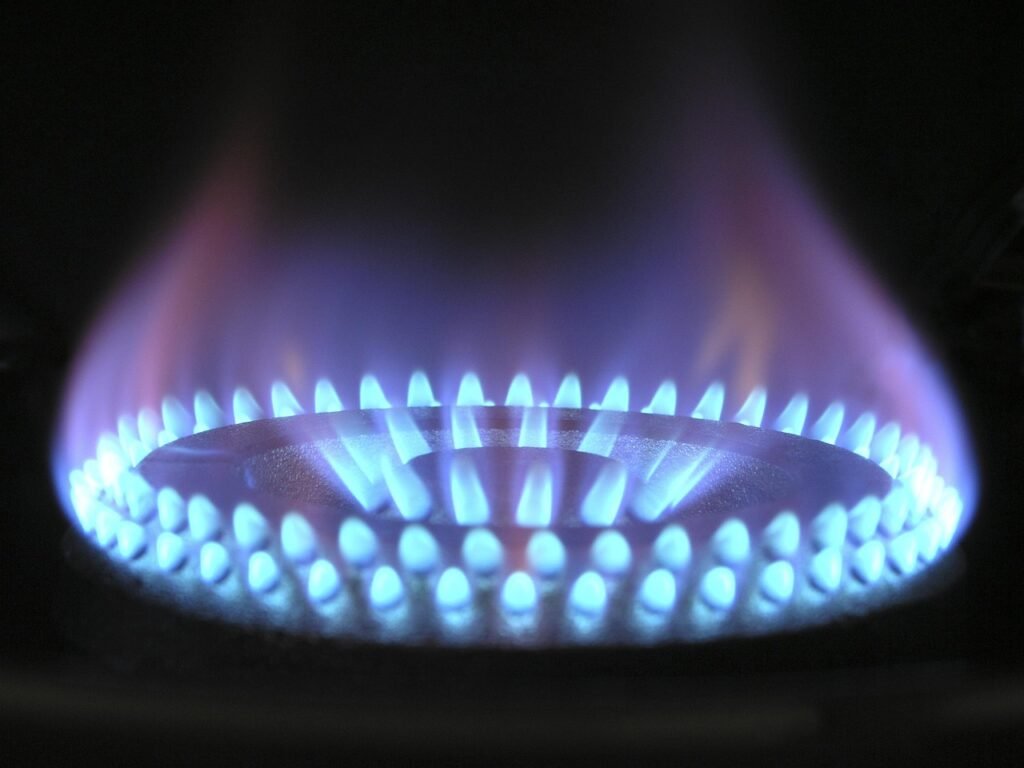
Pay attention to flame color. Blue flames mean things are working right, but yellow or orange flames suggest it's time to clean or adjust the burners.
Ignition systems sometimes need replacing if they stop clicking or take too long to light. The oven interior should get a deep clean every few months, depending on how much you bake.
Self-cleaning features help, but manual cleaning with oven cleaner works if your model doesn't have that. Good ventilation during cooking clears out moisture and byproducts that can damage nearby surfaces over time.
Check gas line connections to make sure they're tight and leak-free. A little soapy water will bubble up if there's a leak at any joint—simple but effective.
Price Ranges and Budget Considerations
Gas stoves in 2025 range from about $500 for basics to over $10,000 for pro-level models. Installation adds $100 to $500 for most homes, but complex setups needing new lines can hit $1,000 or more.
Affordable Options
Budget-friendly gas ranges around $1,000 give you solid cooking without the bells and whistles. Most have four burners, a regular oven, and simple controls.
The GE JGB735 is a top affordable pick with convection and sturdy build. Most budget models offer 5.0 to 5.6 cubic feet of oven space and 9,000 to 15,000 BTUs on the hottest burner.
Standard features at this price include:
- Self-cleaning ovens
- Sealed burners for easier cleaning
- Electronic ignition
- Basic broiler settings
Models under $800 often skip convection fans and stick with manual controls. They're great for daily cooking but won't give you the same power or precision as pricier stoves.
Luxury Segment Overview
High-end professional ranges from brands like Viking, BlueStar, and Miele run $5,000 to $15,000. These stoves feature heavy-duty builds, commercial burners up to 25,000 BTUs, and big oven spaces.
Premium models add smart features, dual-fuel options, and special cooking modes. 36-inch ranges give you more cooktop space and usually six burners.
High-end stoves earn their price with better heat distribution, precise controls, and tough materials like stainless steel and cast iron. They're for home cooks who want a restaurant-quality setup.
Where to Buy Gas Stoves in 2025
You'll find gas stoves at big national chains and local appliance shops. Each offers different perks for selection, price, and installation help.
https://www.lowes.com/l/install/range-installation?utm_source=chatgpt.com
Knowing what installation costs look like helps you plan your budget before you buy.
Major Retailers and Online Stores
Best Buy carries a wide selection of gas ranges from major brands. They offer customer reviews to help with purchasing decisions.
The retailer provides delivery services. Best Buy often runs seasonal promotions on appliances.
Home Depot and Lowe's stock numerous gas stove models both in-store and online. Appliance specialists at these stores can answer technical questions and help you compare features.
Both retailers offer installation services for an extra fee. You’ll usually find someone willing to walk you through the options.
Amazon provides competitive pricing and detailed product specifications for gas ranges. Buyers can read verified customer reviews and compare multiple brands quickly.
Delivery from Amazon usually doesn’t include installation or haul-away of old appliances. That might be a dealbreaker for some folks.
Manufacturer websites like GE, Samsung, and LG let customers buy directly. These sites often show the complete product line and offer detailed specs you might not find elsewhere.
Finding Local Dealers
Local appliance dealers offer personalized service and expert knowledge about gas stove models. These businesses usually have established relationships with installation pros and can coordinate delivery and setup.
Independent dealers may have more flexibility on pricing than the big chains. They typically handle service for what they sell, making warranty claims and repairs less of a hassle.
Buyers should check that local dealers are authorized retailers for their preferred brands. Authorized dealers honor manufacturer warranties and have access to genuine replacement parts.
Gas Stove Installation Costs
Professional installation usually runs from $100 to $300 for basic setups. This covers connecting the gas line, leveling the stove, and checking for leaks.
Additional expenses might include:
- Gas line modifications: $200 to $1,000 depending on complexity
- Electrical outlet installation: $150 to $300 if needed for electronic ignition
- Old appliance removal: $25 to $100
- Permit fees: $50 to $150 in some municipalities
Licensed plumbers or appliance techs should handle all gas connections. Many retailers bundle installation with purchase, often at a discount compared to hiring contractors separately.
Warranty and Customer Support
A good warranty protects your investment and shows the manufacturer stands behind their product. Most gas stoves come with a one-year warranty on parts and labor.
Premium brands sometimes extend coverage to two or five years for certain components. Burners, igniters, and control panels usually fail first, so check which parts get longer protection.
Extended warranty options usually cost $100 to $300 and add two to four years of coverage. Some brands simply offer better customer support—worth thinking about if something breaks.
Reputable brands often provide better quality products and reliable after-sales service compared to lesser-known manufacturers. Look for companies with dedicated phone lines, online chat support, and local service centers.
Response times can vary a lot between brands. Some companies send technicians within 48 hours, while others might take a week or longer.
Read customer reviews about actual service experiences before buying. It’s not always obvious who’ll show up when you need help.
Key warranty features to consider:
- Length of coverage for the main unit
- Parts covered beyond the basic warranty
- Labor costs after the first year
- In-home service availability
- Replacement policy for defective units
Extended warranties on parts and labor often indicate better quality and customer support from the manufacturer. Keep all purchase receipts and register your appliance right away to activate coverage.
Frequently Asked Questions
Several major brands and models have earned top ratings in 2025. Some ranges stand out for cooktop performance, oven capacity, and build quality.
Professional testing organizations have identified clear leaders in categories like 30-inch models, double ovens, and dual-fuel configurations.
What are the best-rated gas ranges for home chefs in 2025?
Home chefs looking for top-rated gas ranges in 2025 have some excellent options. The GE JGB735 offers a convection oven and solid cooktop at an affordable price.
This model looks good and feels sturdy, especially for budget-conscious buyers. Consumer Reports tested over 80 gas ranges for their 2025 rankings, covering both single and double oven models.
High-end options include pro-style ranges from brands like Thor and Samsung. These offer powerful burners—18,000 BTUs or more—for serious cooking.
How do the top 30-inch gas ranges compare in terms of performance and features?
The 30-inch size is still the most common width for home gas ranges. Most 30-inch models include four or five burners with varying heat outputs.
Quality 30-inch ranges usually have at least one high-BTU burner for boiling and searing. Many also come with a low simmer burner rated at 5,000 BTUs or less for delicate sauces.
Oven capacity typically falls between 5.0 and 5.8 cubic feet. Convection cooking is now common even in mid-priced models.
Price differences mostly reflect build quality and materials. Higher-priced 30-inch ranges use heavier grates, stainless steel, and more durable knobs and handles.
Which brands are known for the most reliable gas stoves as of 2025?
GE has built a strong reputation for reliable gas ranges at accessible prices. Their models perform well in long-term testing.
LG and Samsung both make ranges that score well in professional tests. These brands offer modern features and competitive warranties.
Professional brands like Thor cater to home cooks who want commercial-grade performance. These cost more but often include better construction and higher heat output.
What are the standout features of the best double oven gas ranges available this year?
Double oven gas ranges give you two separate cooking chambers in one unit. The upper oven usually measures 2.5 to 3.0 cubic feet, while the lower oven ranges from 3.5 to 4.5 cubic feet.
You can prepare dishes at different temperatures at the same time. One oven might roast a turkey at 350°F while the other bakes cookies at 375°F.
Most double oven ranges are 36 inches wide instead of the standard 30. This extra width makes room for the dual oven setup.
The upper oven often heats up faster because it’s smaller. Some models use convection in the upper oven and keep the lower oven conventional.
Which gas stove models have the best reviews from Consumer Reports in 2025?
Consumer Reports conducts rigorous lab testing on gas ranges every year. Their tests measure baking evenness, broiling performance, and cooktop output.
The organization evaluates over 80 current gas range models and assesses brands like LG, GE Profile, and Samsung.
They consider temperature accuracy, self-cleaning, and ease of use. Safety features and energy efficiency also factor into the scores.
Specific model recommendations change as new versions come out. It’s smart to check current ratings before deciding what to buy.
What advantages do gas ranges with electric ovens offer over traditional gas-only models?
Dual-fuel ranges pair a gas cooktop with an electric oven. Cooks get the quick heat control of gas burners and, at the same time, the even heating you’d expect from electric ovens.
Electric ovens usually spread heat more evenly than gas ovens. That’s a big plus for baking things like soufflés or pastries, where consistency matters.
Gas ovens create extra moisture while cooking because burning gas produces water vapor. Electric ovens, on the other hand, offer drier heat, which tends to work better for roasting or crisping foods.
Dual-fuel models generally cost $500 to $1,500 more than similar all-gas ranges. You’ll also need both a gas line and a 240-volt electrical outlet for installation.
Installation costs for gas stoves depend a lot on what’s already in place and local codes. If your home already has a gas line, expect to pay around $100 to $300 for basic installation.
Adding a new gas line can run anywhere from $250 to $1,000, depending on how far you are from the main line. Only licensed plumbers can do gas line work to keep things up to code—no shortcuts there.
Other Useful Links
Samsung models also show up on expert lists

